List of oncology demo protocols 

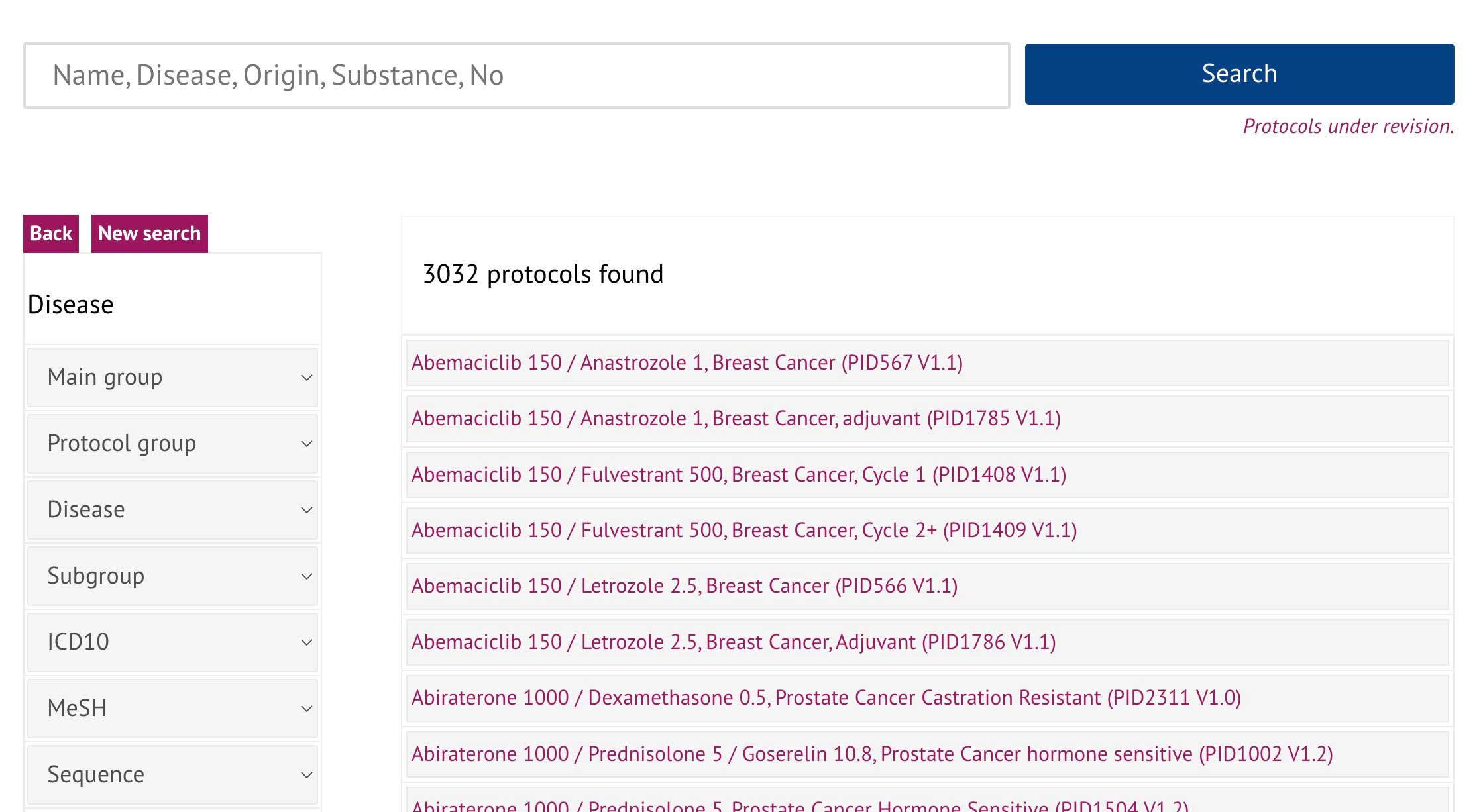
Onkopti filter and search

We provide a intelligent filter & search

   for antineoplastic and supportive drugs

   for diseases and subgroups

   for disease categories for literature
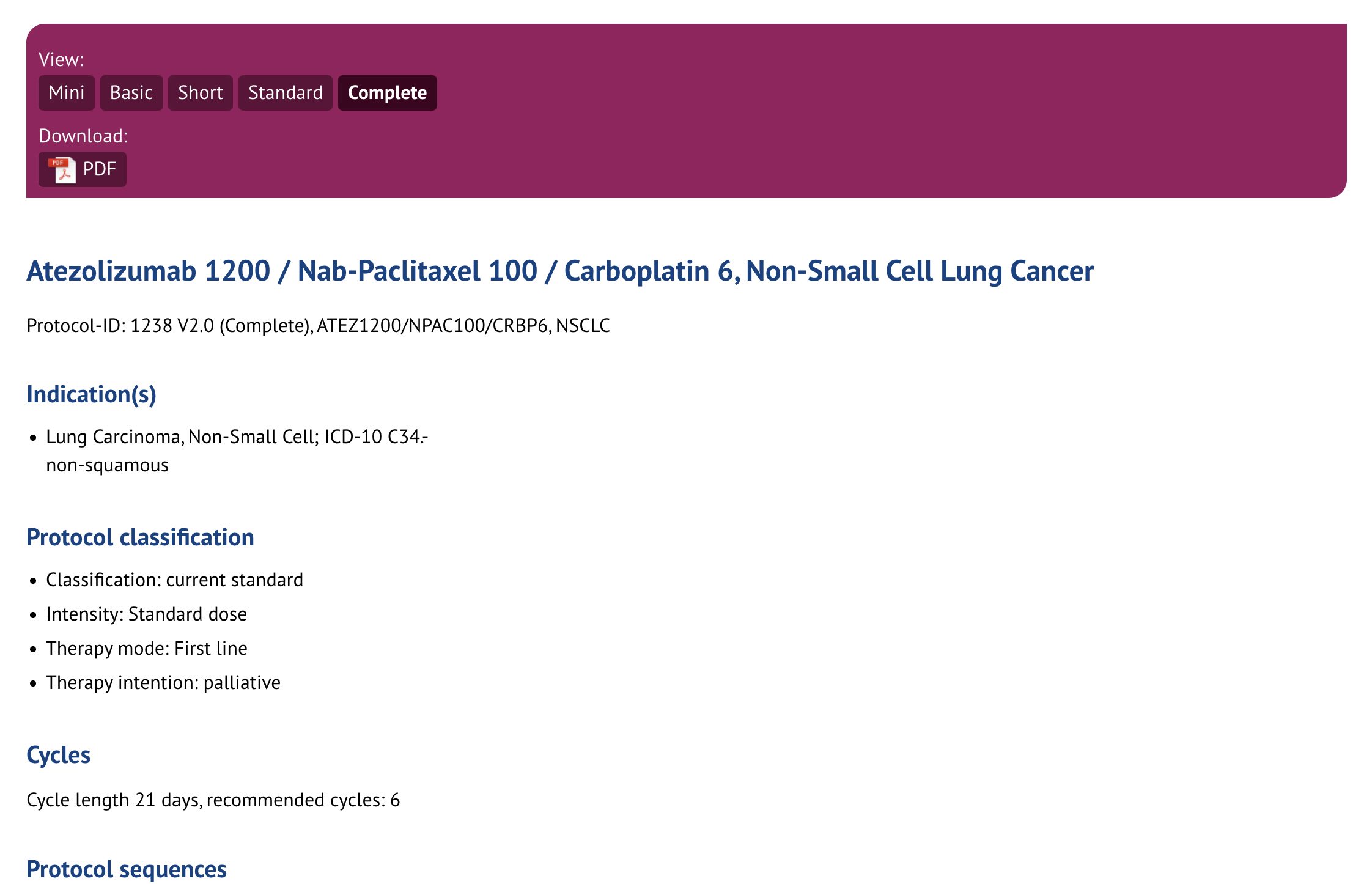
   Open protocol search on Onkopti.de

Views of Onkopti oncology protocol

To accommodate different professional requirements, our protocols are available through a tiered access model. Depending on the user's license level, the platform offers five distinct clinical views:


   Mini: Available for non-registered visitors (Public access)

   Basic: Enhanced data for registered users

   Short to complete for professional subscribers
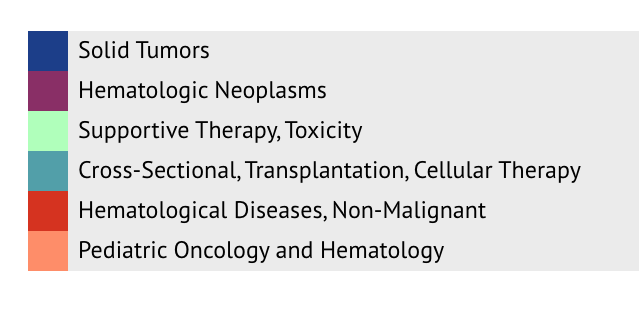
list of diseases

The protocols are assigned to clinically relevant main groups of diseases and therapeutic procedures.


   Open our list of diseases and therapeutic procedures

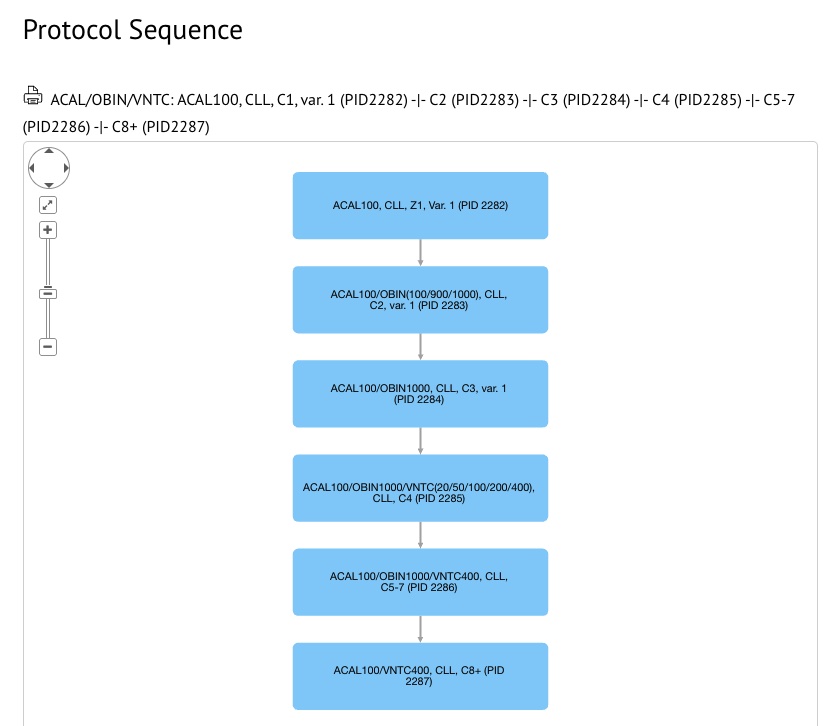
Protocol sequences 
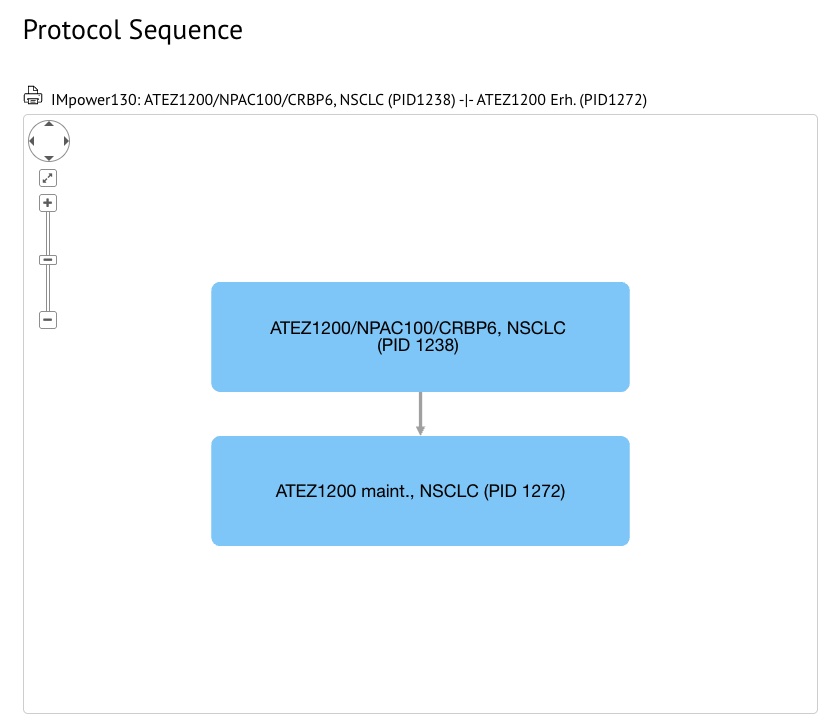
protocol sequence
protocol sequence 2

Questions & Answers

Questions about our protocols
 
All protocols are developed to reflect current evidence-based oncology practice and are aligned with internationally recognized clinical guidelines such as NCCN, ASCO, and ESMO where applicable. Equally important sources are the guidelines of the German Society for Hematology and Medical Oncology and the German Cancer Society. 
The protocols provide structured descriptions of systemic cancer therapies, including treatment sequences, dosing concepts, safety considerations, and standardized evidence-based supportive therapy.
Protocols are derived from published clinical trial evidence, peer-reviewed literature, and established treatment standards in medical oncology. They reflect commonly used regimens evaluated in phase II and phase III clinical studies and incorporated into clinical practice guidelines. The protocols are directly linked to the corresponding publications.
Protocol selection depends on tumor type, disease stage, molecular and biomarker findings, prior treatments, performance status, and therapeutic intent. Clinical judgment and multidisciplinary evaluation remain essential.
Protocols reference internationally used medical classification systems such as ICD-10 for diagnoses and standardized oncology terminology to support consistent clinical documentation, interoperability, and data exchange. The ATC codes and corresponding links to the regulatory authorities in Europe and the PubChem database are provided for the drugs used.